
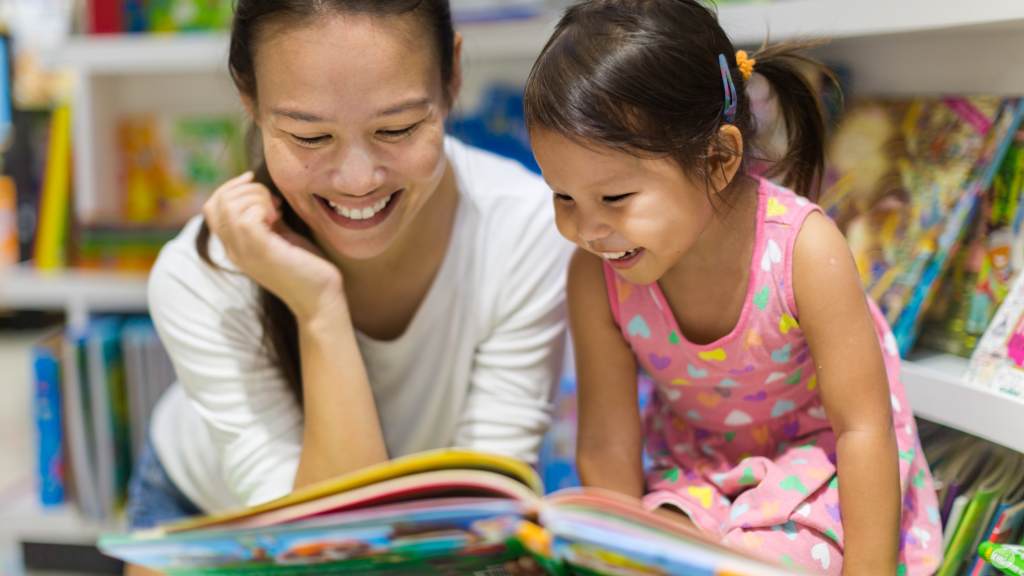
Choosing a picture book for your child should be an enjoyable experience, but with so many wonderful stories available, it can sometimes feel overwhelming. Should you choose a colorful book about animals, a funny adventure, or a story that teaches an important life lesson? And how do you know whether a particular book will hold your child’s attention?
The good news is that you do not need to find the perfect book every time. The best picture books often combine engaging illustrations, relatable characters, age-appropriate storytelling, and ideas that encourage children to explore the world around them.
Whether you are choosing a bedtime story, searching for a birthday gift, or adding something new to your family bookshelf, here are five things to look for when choosing picture books for children.
1. Look for Illustrations That Capture Their Attention
Illustrations are often the first thing children notice when they encounter a picture book. Before they understand every word, they can explore the colors, expressions, objects, and details in the pictures.
Look for illustrations that are engaging without making the pages feel too crowded. Expressive characters can help children understand what is happening in a story, while interesting backgrounds may encourage them to look more closely and discover something new each time they turn a page.
You can make the illustrations part of the reading experience by asking simple questions.
For example, try asking:
- What do you notice in this picture?
- How do you think that character is feeling?
- Can you find something interesting on this page?
- What do you think might happen next?
These questions invite children to participate instead of simply listening. They also give you opportunities to discover what captures your child’s imagination.
A picture book can become even more enjoyable when children notice small details that adults might overlook. Sometimes, those little discoveries become part of what makes a favorite story worth reading again and again.
2. Choose Stories That Match Their Interests
Every child has different interests. Some are fascinated by animals, while others love vehicles, magical adventures, silly characters, or familiar experiences from everyday life.
When choosing a picture book, consider what your child already enjoys. A child who loves animals might be drawn to a woodland adventure, while a child who enjoys pretending to pack a suitcase might find a story about preparing for a trip particularly entertaining.
Following these interests can make choosing books easier because the subject already feels familiar and exciting.
However, do not be afraid to introduce something new. A child who usually chooses animal stories might discover a new favorite in a book about friendship, emotions, or an unfamiliar place. You can use their existing interests as a starting point while gradually introducing different themes.
You might also notice that your child’s preferences change over time. A book that was once overlooked could suddenly become fascinating a few months later. Keep offering different stories and allow room for those changing interests.
The goal is not to predict exactly which book your child will love. It is to provide opportunities for discovery.
3. Look for Relatable Characters and Meaningful Themes
Picture books can introduce children to experiences, emotions, and situations they may recognize in their own lives.
A character who feels nervous about meeting someone new, for example, can create an opportunity to talk about shyness. A character who makes a mistake and learns from it can help start a conversation about responsibility.
The most effective stories do not necessarily need to deliver a complicated lesson. Sometimes, a simple situation presented with warmth and humor is enough to get children thinking.
Sam the Shy Bear Learns to Say Hello follows Sam as he struggles to greet other people. With help from his mother, he practices saying hello and discovers that greeting others can be enjoyable. The story offers families a gentle starting point for discussing shyness and building confidence in social situations.
In Sam Packs His Bag All Wrong, Sam is excited about visiting his cousins and decides to pack his suitcase himself. He fills it with toys but forgets important items he needs for the trip. Through this humorous experience, Sam learns the value of thinking ahead and remembering the essentials.
Both stories use familiar situations to explore meaningful ideas. One focuses on practicing social interactions, while the other introduces planning and responsibility.
When browsing for picture books, consider what kinds of conversations a story might inspire. You do not need to choose a book solely because it teaches a lesson, but relatable characters can give children and parents plenty to talk about together.
4. Consider the Story Length and Language
A beautiful cover and appealing illustrations may catch your attention, but the storytelling matters just as much.
Look for a story with language that feels appropriate for your child’s current interests and understanding. Simple sentences, clear storytelling, and a logical sequence of events can make a book easier to follow.
This does not mean every picture book needs to be extremely short or use only basic words. Children can enjoy encountering unfamiliar words when the surrounding story and illustrations help them understand what is happening.
It is also worth considering when you plan to read the book.
A short, gentle story may be ideal for a quiet moment before bed. A more detailed adventure might suit a relaxed afternoon when you have time to pause, discuss the pictures, and explore the story together.
If possible, browse a few pages before purchasing. Notice whether the text and illustrations work together, whether the story is easy to follow, and whether you can imagine enjoying it aloud.
Remember that reading together should feel enjoyable rather than like another task on a busy schedule. Choose books that suit your family’s reading habits and allow yourself to adapt the experience to the moment.
5. Let Your Child Participate in Choosing Books
One simple way to make book selection more enjoyable is to involve your child in the process.
If you are browsing at a library or bookstore, invite your child to choose between a few options. You could also look through books you already own and ask which story they would like to read next.
At home, keep favorite books somewhere accessible so your child can help select the next story during reading time.
You can also encourage participation by talking about book covers, looking at the illustrations before reading, or asking what kind of story they would like to explore.
Sometimes, children will choose a book because they love a particular character or illustration. Other times, they may want to revisit a familiar story simply because they enjoy knowing what happens next.
There is nothing wrong with reading a favorite book repeatedly. Familiar stories can become comforting parts of family routines, and each reading offers another opportunity to notice details, ask questions, or enjoy a shared moment.
Giving children a voice in choosing books can help make reading feel like something they actively participate in rather than something selected entirely for them.
Making Picture Books Part of Everyday Life
Finding a suitable picture book does not need to be complicated. Start with your child’s interests, look for illustrations that invite exploration, choose relatable characters, and consider whether the story fits your reading routine.
Most importantly, remember that the experience you create around a book matters too. Reading together gives you opportunities to laugh, ask questions, talk about feelings, and share ideas. Even a few quiet minutes with a favorite story can become a meaningful part of your day.
You can also make familiar books more interactive by looking for recurring details in the illustrations. In Sam the Shy Bear Learns to Say Hello, children can follow Jimmy the Cat and discover what he is doing on each page. In Sam Packs His Bag All Wrong, they can look for the little bird that appears throughout the story.
These small activities give children another reason to pay attention to the pictures and revisit their favorite adventures.
Ultimately, the best picture book is not necessarily the newest release or the one with the most elaborate illustrations. It is a book that connects with your child and gives you something enjoyable to share.
So the next time you browse a bookshelf, choose a story that sparks curiosity, invites conversation, or simply makes you smile. You might discover a new family favorite along the way.
Happy reading!