
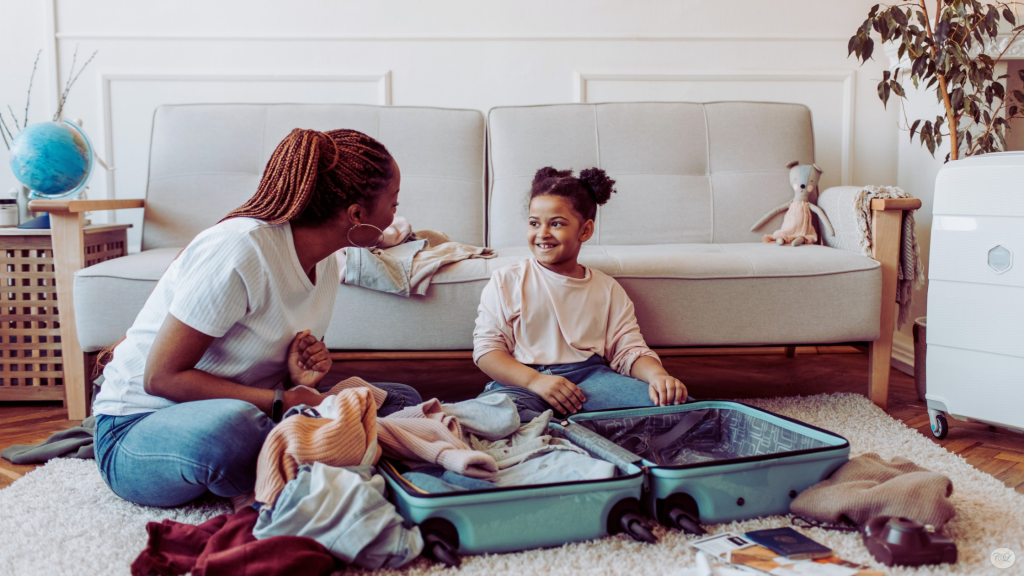
Family trips can be some of the most exciting experiences of childhood. Whether you’re visiting relatives, heading away for a holiday, or spending a few days somewhere new, there’s plenty for children to look forward to.
But getting ready for a trip can be a different story.
Your child might be eager to pack their favourite toys, games, and stuffed animals, only to forget the pajamas they’ll need at bedtime. Or perhaps they insist they can pack their suitcase independently, but you discover that their clothes are still hanging in the wardrobe when it’s time to leave.
Sound familiar?
Packing can be a wonderful opportunity to help children develop planning skills, independence, and responsibility. With a little preparation and guidance, it doesn’t have to become another stressful task on your travel checklist.
Here are some simple ways to help your child get ready for your next family adventure.
1. Start Talking About the Trip Before Packing Day
Children often find it easier to prepare for something when they understand what to expect. Before opening the suitcase, spend a little time talking about where you’re going, how long you’ll be away, and what you might do during the trip.
Will you be staying with grandparents? Visiting cousins? Spending time at the beach? Or exploring a place your family has never visited before?
These details can help your child begin thinking about what they’ll need to bring.
For example, if you’re staying overnight with relatives, you can talk about the clothes they’ll wear during the day and what they’ll need when it’s time to sleep. If you’re planning a beach visit, you can discuss the things that will be useful for that activity.
You don’t need to explain every detail of the itinerary. A simple conversation can help children connect the things they’re packing with the experiences they’re preparing for.
It also gives you a chance to answer questions and build excitement before the journey begins.
2. Make a Simple Packing Checklist Together
One of the easiest ways to make packing more manageable is to create a checklist.
Rather than expecting your child to remember everything, write down the essentials together. Depending on the destination and length of the trip, the list might include clothes, pajamas, a toothbrush, toiletries, and any other items your family needs.
You can organise the checklist into simple categories, such as clothing, bedtime essentials, personal care items, and things to do during the journey.
For younger children, pictures can make the list easier to understand. A drawing of a shirt, for example, can help them recognise what belongs in the clothing category.
Older children may enjoy helping write the list themselves.
The important thing is to keep it manageable. A checklist should make packing easier, not turn it into a complicated project.
Once an item has been packed, your child can tick it off or mark it as complete. This small action helps them see their progress and understand how a plan can make a task easier to manage.
3. Let Your Child Help Choose What to Bring
It’s natural for children to want to bring their favourite belongings when they travel. A beloved stuffed animal, a picture book, or a favourite toy can make an unfamiliar place feel more comfortable.
Instead of immediately deciding everything for them, give your child some opportunities to make choices.
You might ask them to choose two or three toys to bring, depending on the available space and your family’s travel plans. You can also explain that the suitcase needs room for practical items, not just playthings.
This is a good opportunity to talk about making decisions.
If your child wants to bring every toy they own, you can acknowledge their excitement while explaining that there is only so much room in the suitcase. Together, you can decide which items are most important for the trip.
Giving children a voice in the process makes packing feel more engaging. It also helps them learn that making choices sometimes means deciding what to leave behind.
4. Teach the Difference Between Essentials and Extras
A suitcase can fill up surprisingly quickly when children start adding everything they think they might need.
This is where a simple distinction can help: some things are essential for the trip, while others are extras that would be nice to have.
Clothes, pajamas, and a toothbrush are examples of everyday essentials. Favourite toys, extra games, and additional books may be enjoyable to bring, but they usually come after the necessities have been considered.
You can explain this through conversation rather than turning it into a strict rule.
For example, ask, “What will you need when you wake up tomorrow?” or “What should we remember to bring so you can brush your teeth?”
Questions like these encourage children to think about what they will actually use during the trip.
You can also talk about what might happen if something important is forgotten. Keep the conversation practical and reassuring. The goal is to help your child understand why certain items matter, not to make them worry about making a mistake.
With practice, children can begin recognising the difference between what they want to bring and what they need to bring.
5. Give Your Child an Age-Appropriate Packing Job
It’s tempting to pack everything yourself, especially when you’re trying to organise the whole family’s luggage. Doing so may be quicker in the moment, but it also means your child misses an opportunity to participate.
Instead, consider giving them a few manageable responsibilities.
Your child might gather their pajamas, select their toys, place clothes into a small bag, or help check items against the packing list. You can adjust the task to suit their age, abilities, and familiarity with packing.
Younger children may need more guidance and reminders. Older children may be ready to take greater responsibility for their own belongings.
You don’t have to hand over the entire task at once. Start with a small part of the process and gradually give your child more independence as they become comfortable with it.
It’s also perfectly reasonable to check the suitcase together before leaving. Children are still learning, and your supervision helps ensure that important items aren’t forgotten.
The aim isn’t to achieve a perfectly packed suitcase every time. It’s to give children opportunities to practise planning and responsibility with your support.
6. Turn Packing Into a Shared Activity
Packing doesn’t always have to feel like a chore. A little creativity can make it more enjoyable, particularly when children are excited about the trip.
You could turn the checklist into a simple game by asking your child to find each item before checking it off. You might also invite them to sort their belongings into groups before placing everything in the suitcase.
Another idea is to let your child become the family’s packing assistant. They could help check whether everyone has remembered a particular category of essentials, such as sleepwear or toiletries.
If your child enjoys stories, a picture book can also provide a fun way to introduce the subject.
In Sam Packs His Bag All Wrong, Sam the Bear is excited about visiting his cousins and decides to pack his suitcase all by himself. Unfortunately, he fills it with toys and forgets important things he’ll need for the trip.
Sam’s experience offers a playful starting point for talking about preparation and remembering the essentials. After reading the story together, you could discuss what Sam might have packed differently or invite your child to imagine what they would put in their own suitcase.
You can even look for the little bird that appears throughout the book while reading.
The story doesn’t need to become a lesson with right and wrong answers. Sometimes, a funny packing mishap is all it takes to start a useful conversation about getting ready for an adventure.
7. Leave Time for a Final Check
Even with a checklist, children may overlook something while packing. That’s completely normal, particularly when they’re excited about the trip ahead.
Rather than leaving everything until the last minute, try to finish packing early enough to review the suitcase together.
Go through the checklist and see whether the essentials are there. Check that your child has the clothes and personal items they’ll need, along with any special belongings that are important for the journey.
You can also check practical details such as the weather, planned activities, and the length of your stay. These may affect what your family needs to bring.
If something is missing, treat it as an opportunity to solve the problem together.
Instead of saying, “You forgot this again,” try asking, “Let’s look at our list. What do we still need?”
This keeps the focus on finding a solution rather than assigning blame. Over time, your child can become more familiar with the process and better prepared for future trips.
Helping Children Become More Confident Travellers
Packing is only one small part of preparing for a family trip, but it offers children valuable opportunities to practise planning, decision-making, and responsibility.
The process may take longer when children are involved, and you might occasionally need to repack a few things. That’s all right. Learning a new skill takes practice, and the experience can be just as valuable as getting everything into the suitcase.
Start with simple tasks, offer guidance when needed, and let your child gradually take on more responsibility. A checklist, a few thoughtful choices, and a final review can make the process feel much more manageable.
Most importantly, remember that packing is not about expecting children to get everything right on their own. It’s about helping them learn how to prepare, recognise what they need, and take part in getting ready for something exciting.
So, the next time your family has a trip planned, invite your child to help with the suitcase. You might be surprised by how much they enjoy being part of the preparation.
And who knows? With a little practice, your family may find that packing becomes less of a last-minute scramble and more of the adventure itself.