
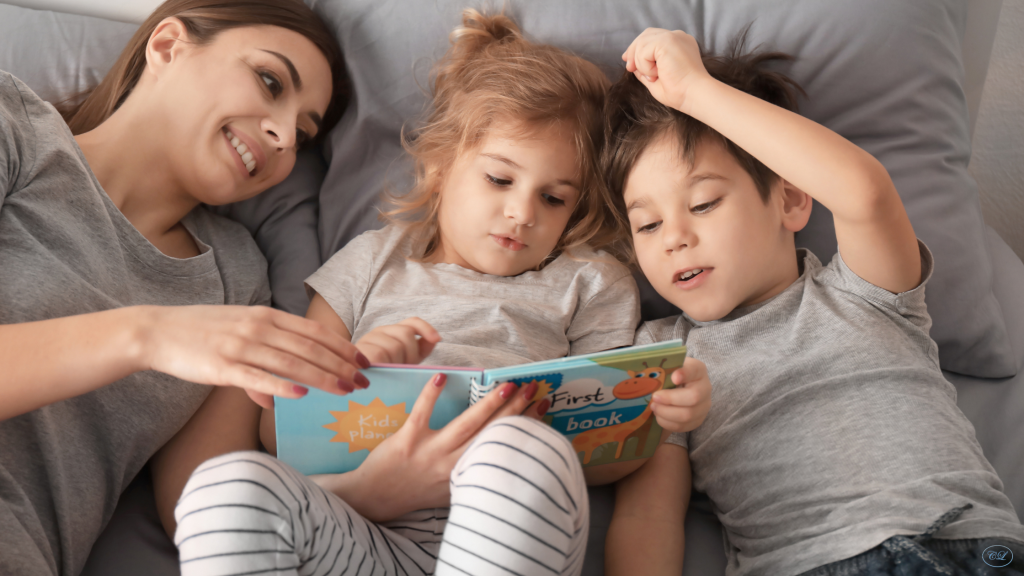
Picture books do much more than entertain children. They can also help young readers understand emotions, build empathy, and learn how to express what they are feeling. Through simple stories and relatable characters, children gain valuable emotional skills that can support them both at home and in everyday life.
Many children experience big feelings long before they have the words to describe them. Excitement, frustration, nervousness, disappointment, and pride are all part of growing up. Picture books provide a safe and gentle way for children to explore these emotions and see that they are a normal part of life.
Stories Help Children Recognize Emotions
One of the greatest strengths of picture books is their ability to show emotions clearly. Illustrations often reveal facial expressions, body language, and situations that children can easily understand.
When a character feels shy about meeting new friends, worried about making a mistake, or excited about a special event, children can recognize those emotions because they have experienced similar feelings themselves.
As parents and caregivers read aloud, they can pause to ask simple questions such as:
- How do you think this character feels?
- Have you ever felt that way?
- What do you think happens next?
These conversations help children connect emotions to real-life experiences and build a stronger emotional vocabulary.
Picture Books Create Safe Learning Opportunities
Children often find it easier to talk about feelings when discussing a story character rather than themselves.
For example, a child may be reluctant to admit feeling nervous about a new school activity. However, if a character in a picture book experiences the same situation, the child may feel more comfortable talking about it.
In Sam the Shy Bear Learns to Say Hello, Sam feels nervous about greeting others and often hides behind his mother instead. As children watch him practice saying hello and gradually gain confidence, they can see that feeling shy is perfectly normal and that courage often grows one small step at a time.
Stories create emotional distance while still allowing meaningful learning to take place. Children can explore difficult feelings without feeling pressured or judged.
This is one reason many parents appreciate stories that focus on everyday childhood experiences. Familiar situations make it easier for children to relate to the characters and learn from their experiences.
Building Empathy Through Stories
Picture books also help children understand how other people feel.
As children follow a character’s journey, they begin to consider different perspectives. They learn that actions can affect others and that people may experience emotions differently.
For example, a character who feels left out, embarrassed, or worried may help children recognize those same emotions in their classmates, siblings, or friends.
Empathy is an important life skill that develops over time. Reading stories together provides many opportunities for children to practice understanding and caring about the feelings of others.
Learning That Mistakes Are Part of Growing
Many picture books include characters who make mistakes and learn valuable lessons from them.
These stories help children understand that mistakes are not failures. Instead, they are opportunities to learn, grow, and try again.
In Sam Packs His Bag All Wrong, Sam is excited to visit his cousins and decides to pack his own bag. Unfortunately, he forgets several important items and quickly discovers that preparation matters. Through the support of his family, Sam learns how to solve the problem and do better next time. Stories like this reassure children that mistakes are a natural part of learning and growing.
In Sam’s learning adventures, readers see characters facing everyday challenges and discovering solutions through patience, support, and perseverance. These kinds of stories can reassure children that everyone encounters obstacles from time to time.
When children see story characters overcome difficulties, they often feel more confident about handling challenges in their own lives.
Encouraging Emotional Conversations at Home
Storytime can become much more than a reading activity. It can also become a chance to strengthen communication between children and the adults who care for them.
After reading a picture book, parents can ask open-ended questions such as:
- What was your favorite part of the story?
- Which character did you relate to most?
- How would you have handled that situation?
- What do you think the character learned?
These simple discussions encourage children to think about emotions, problem-solving, and relationships.
Over time, children become more comfortable identifying and expressing their own feelings because they have practiced doing so through stories.
Why Illustrations Matter
The visual nature of picture books makes emotional learning even more effective.
Children often notice emotional details in illustrations before they fully understand them in words. A smile, a worried expression, or a comforting hug can communicate powerful messages.
Illustrations help reinforce the emotional themes of a story and provide additional context for young readers.
For children who are still developing language skills, these visual cues can be especially valuable in understanding emotions and social situations.
Creating Meaningful Storytime Moments
The best picture books combine engaging stories with opportunities for emotional growth. They help children feel seen, understood, and supported as they navigate everyday experiences.
Whether a story focuses on friendship, confidence, responsibility, kindness, or overcoming fears, each reading experience can contribute to a child’s emotional development.
Stories do not need to teach lessons in a direct or obvious way. Often, the most meaningful learning happens naturally as children connect with characters and their experiences.
As families continue exploring Sam’s learning adventures and other thoughtful picture books, they create opportunities for conversations that can last long after the final page is turned.
A simple story shared together today may help a child better understand their feelings tomorrow. That is one of the many reasons picture books remain such valuable companions throughout childhood.