
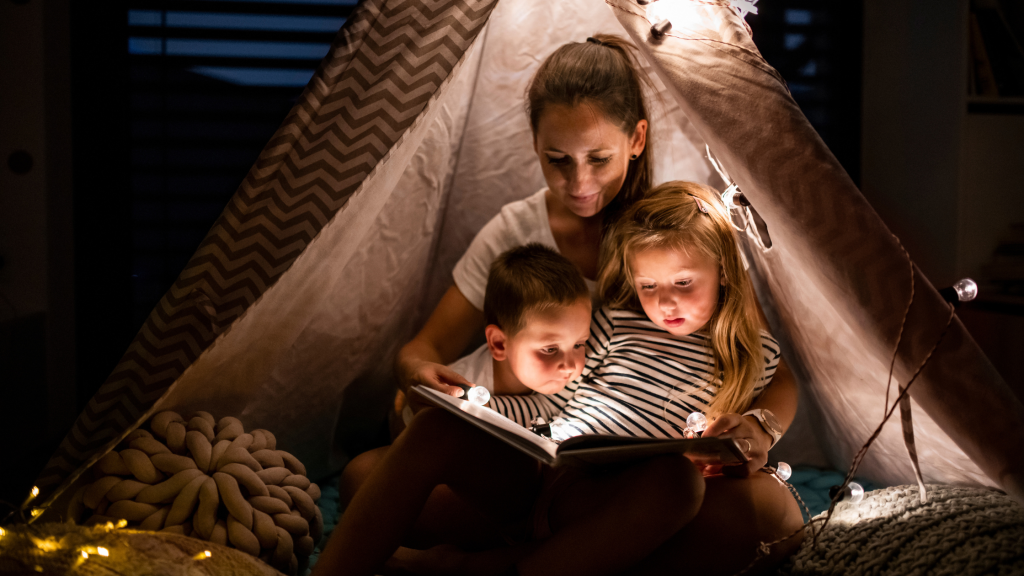
Reading games for kids are a wonderful way to turn story time into an interactive experience that children look forward to every day. A favorite picture book can become much more than a bedtime story. With just a little creativity, it can inspire conversations, spark imagination, and help children practice important life skills while having fun.
The best part is that these activities don’t require expensive materials or complicated planning. Whether you’re reading after school, before bedtime, or during a quiet afternoon, these simple games help children stay engaged while creating meaningful family memories.
1. Guess What Happens Next
Pause during the story and ask your child what they think will happen next.
This simple game encourages children to pay close attention to the story while developing prediction and reasoning skills. There are no wrong answers, which makes it enjoyable for children of different ages.
When reading Sam Packs His Bag All Wrong, ask questions like:
“What do you think Sam forgot to pack?”
“What would you bring on your own sleepover?”
These conversations help children think beyond the illustrations while reinforcing the story’s message about preparation and responsibility.
2. Become the Characters
Invite your child to act out scenes from the story.
Pretend to be Sam greeting someone for the first time or packing for a trip. Children love role-playing, and it helps them understand emotions and situations from different perspectives.
After reading Sam the Shy Bear Learns to Say Hello, practice saying hello with different voices, funny expressions, or stuffed animals. Children often become more confident practicing social skills through pretend play than they do in real-life situations.
3. Spot the Little Details
Before turning the page, ask your child to find something in the illustration.
You might ask them to find a particular object, count animals, or notice something that changes throughout the story.
This game strengthens observation skills while encouraging children to slow down and appreciate the illustrations. It also keeps younger readers actively involved throughout the book.
4. Create a Different Ending
After finishing the story, ask your child:
“What would you do differently?”
“Can you imagine another ending?”
This activity encourages creativity and storytelling while showing children that stories can inspire their own ideas.
Children often surprise adults with imaginative answers that reveal how carefully they have been following the story.
5. Pack Your Own Adventure
After reading Sam Packs His Bag All Wrong, gather a small backpack or travel bag and ask your child to pack for an imaginary adventure.
Will they pack pajamas?
A toothbrush?
A favorite toy?
A book?
After they’re finished, compare their choices with Sam’s experience in the story.
This simple activity transforms the lesson into something children can practice in everyday life while reinforcing planning and responsibility.
Why Reading Games Matter
Children learn best when they’re actively involved.
Reading games help improve listening, memory, vocabulary, imagination, and communication without feeling like a lesson. They also create positive associations with books, making children more excited to read again tomorrow.
These shared moments often become the memories children carry with them long after they’ve outgrown their favorite picture books.
Bringing Stories to Life
The wonderful thing about picture books is that the learning doesn’t stop when the final page is turned.
Stories like Sam the Shy Bear Learns to Say Hello encourage children to practice confidence, kindness, and friendly greetings in everyday situations. Meanwhile, Sam Packs His Bag All Wrong reminds children that mistakes are opportunities to learn, prepare better, and ask for help when they need it.
Together, Sam’s learning adventures show that everyday experiences can become valuable life lessons.
Whether you’re reading before bedtime, during a quiet afternoon, or on a rainy weekend, adding a few simple games helps children become active participants in every story.
The goal isn’t to make reading more complicated. It’s to make it more memorable.
Sometimes the smallest activities create the biggest smiles, and those joyful moments help children develop a lifelong love of books, learning, and spending time together.